

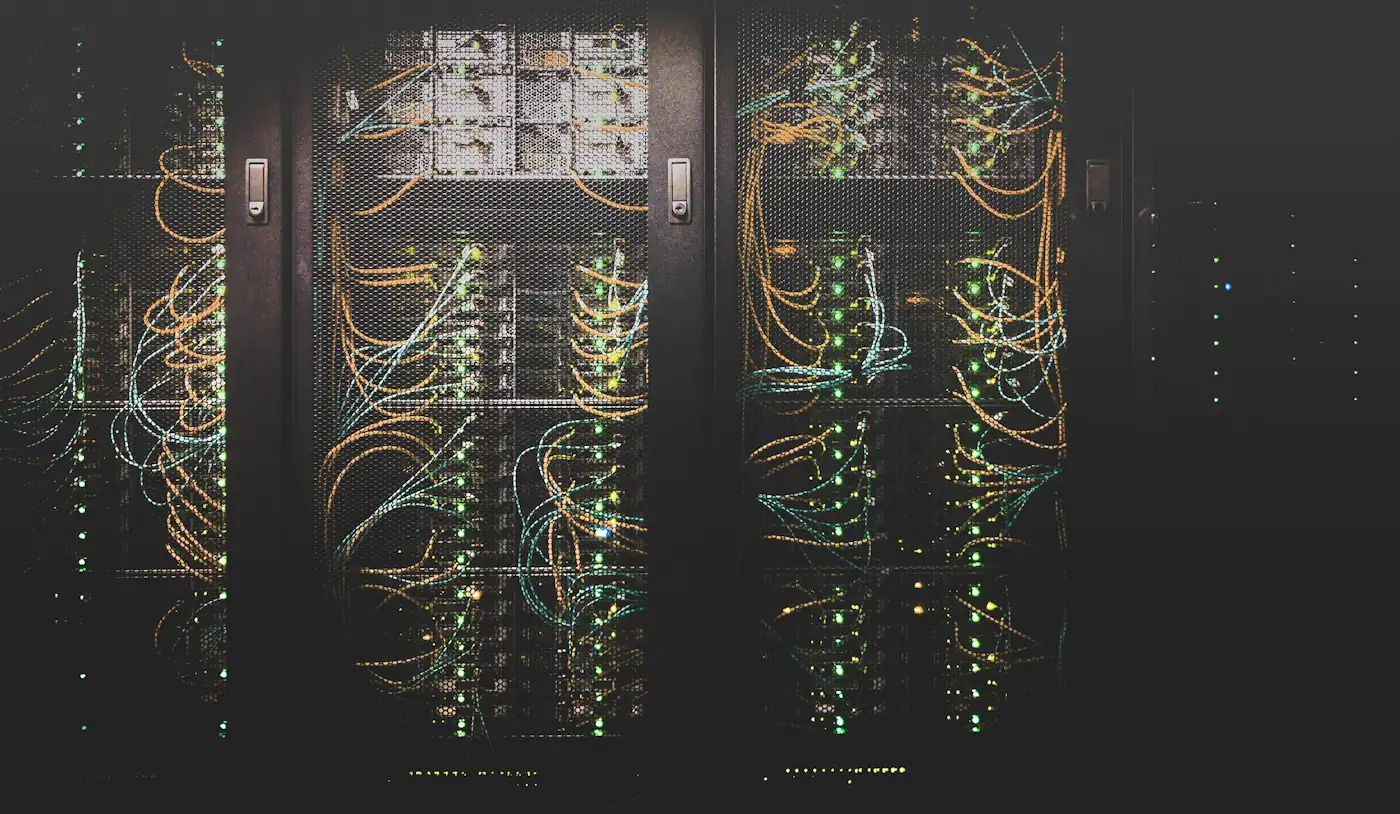
Shashvathi Forensic Lab provides Network Forensics services involving the technical examination of available network-related data to identify, analyse, and document digital evidence associated with suspected cyber incidents, unauthorised access, suspicious network activity, and potential security breaches.
Network communications can generate valuable evidence about connections between devices, communication patterns, timestamps, and network events. A forensic examination of available network records can assist in understanding the sequence of events associated with a reported incident and identifying technical indicators that may require further investigation.
Our examination scope may include network traffic captures, firewall logs, router logs, server logs, intrusion detection alerts, and other relevant network records, depending on the availability of the evidence and the requirements of the assignment.
What Is Network Forensics?
Network Forensics is a branch of Digital Forensics concerned with the collection, preservation, examination, and interpretation of network-related digital evidence.
It involves analysing available records of data communications between devices and systems to identify unusual connections, suspicious activity, communication patterns, and other indicators relevant to an investigation.
Network Forensics may be useful in investigating suspected unauthorised access, malware-related communications, data exfiltration, network misuse, and other cyber incidents. The findings depend on the quality and completeness of the available logs, packet captures, system records, and other supporting evidence.
Scope of Network Forensics Services
Shashvathi Forensic Lab may undertake the following activities, subject to technical capabilities, evidence availability, and the agreed scope of work:
- Network Traffic Analysis: Examination of available packet captures and network traffic records to identify relevant communication patterns and technical indicators.
- Log File Examination: Analysis of available firewall, router, server, proxy, VPN, and other network-related logs.
- Suspicious Connection Analysis: Assessment of unusual or unauthorised connections documented in the available evidence.
- IP Address and Port Analysis: Examination of recorded IP addresses, ports, protocols, and connection details relevant to the incident.
- Intrusion Indicator Assessment: Review of available indicators associated with suspected unauthorised access or malicious network activity.
- Data Exfiltration Assessment: Examination of available network records for patterns that may be consistent with unauthorised data transfer.
- Timeline Reconstruction: Correlation of available timestamps and network events to help establish a sequence of recorded activities.
- Network Security Incident Examination: Technical assessment of network-related evidence associated with reported security incidents.
- Digital Evidence Integrity Verification: Use of cryptographic hash values to verify the integrity of acquired files or evidence collections, where applicable.
- Forensic Reporting: Documentation of the examination methods, observations, findings, and technical limitations.
The precise scope depends on the type of network infrastructure, available evidence, logging configuration, retention period, and the technical resources available for examination.
Network Forensics Examination Methodology
The examination process may include the following stages:
- Initial Consultation: Understanding the reported incident, investigation objectives, and specific questions requiring technical assessment.
- Evidence Identification: Identifying relevant network logs, packet captures, device records, and other supporting data.
- Evidence Preservation: Preserving the submitted records and documenting their source and condition, where information is available.
- Technical Examination: Analysing relevant network traffic, connection records, protocols, timestamps, and event logs.
- Correlation and Timeline Analysis: Comparing available records from different sources to identify related events and potential inconsistencies.
- Assessment of Findings: Evaluating the observations in the context of the incident and the limitations of the available evidence.
- Report Preparation: Preparing a technical report describing the examination procedures, findings, and limitations.
Where appropriate, the examination may involve correlating network records with computer forensic evidence, server records, or other digital artefacts. The extent of correlation depends on the availability and reliability of the supporting evidence.
Evidence and Information Required
For a network forensic examination, the following materials may be requested:
- Network traffic capture files, such as PCAP or PCAPNG, where available.
- Firewall, router, server, proxy, VPN, and intrusion detection or prevention system logs.
- Relevant timestamps, including the time zone and any known clock differences.
- Network topology or infrastructure details relevant to the incident.
- Details of the suspected incident, including the date, time, affected systems, and observed symptoms.
- Relevant IP addresses, domain names, ports, or other known technical indicators.
- Available incident-response records or supporting system logs.
- Written authorisation confirming permission to examine the relevant network data and systems.
Original log files and packet captures should be preserved where possible. Avoid modifying, filtering, or overwriting original records before preservation, and document any collection or conversion procedures already performed.
Who May Require Network Forensics?
Our services may be relevant to:
- Businesses investigating suspected cyber incidents.
- Organisations examining unusual or unauthorised network activity.
- Corporate IT and information security teams.
- Incident-response and cybersecurity professionals.
- Advocates and legal professionals requiring technical examination of network evidence.
- Organisations investigating suspected data leakage or misuse of network resources.
- Clients requiring technical assessment of recorded network communications.
Importance of Network Forensics
Network records can help explain which systems communicated, when connections were recorded, and whether the available evidence contains indicators of suspicious activity. A structured examination can assist in documenting technical events and identifying areas requiring additional investigation.
However, an IP address or network connection alone does not conclusively identify the individual responsible for an activity. Shared networks, VPNs, proxies, dynamic addresses, incomplete logs, clock differences, and other technical factors may affect interpretation. Findings should be evaluated alongside relevant computer, server, account, and other available evidence.