
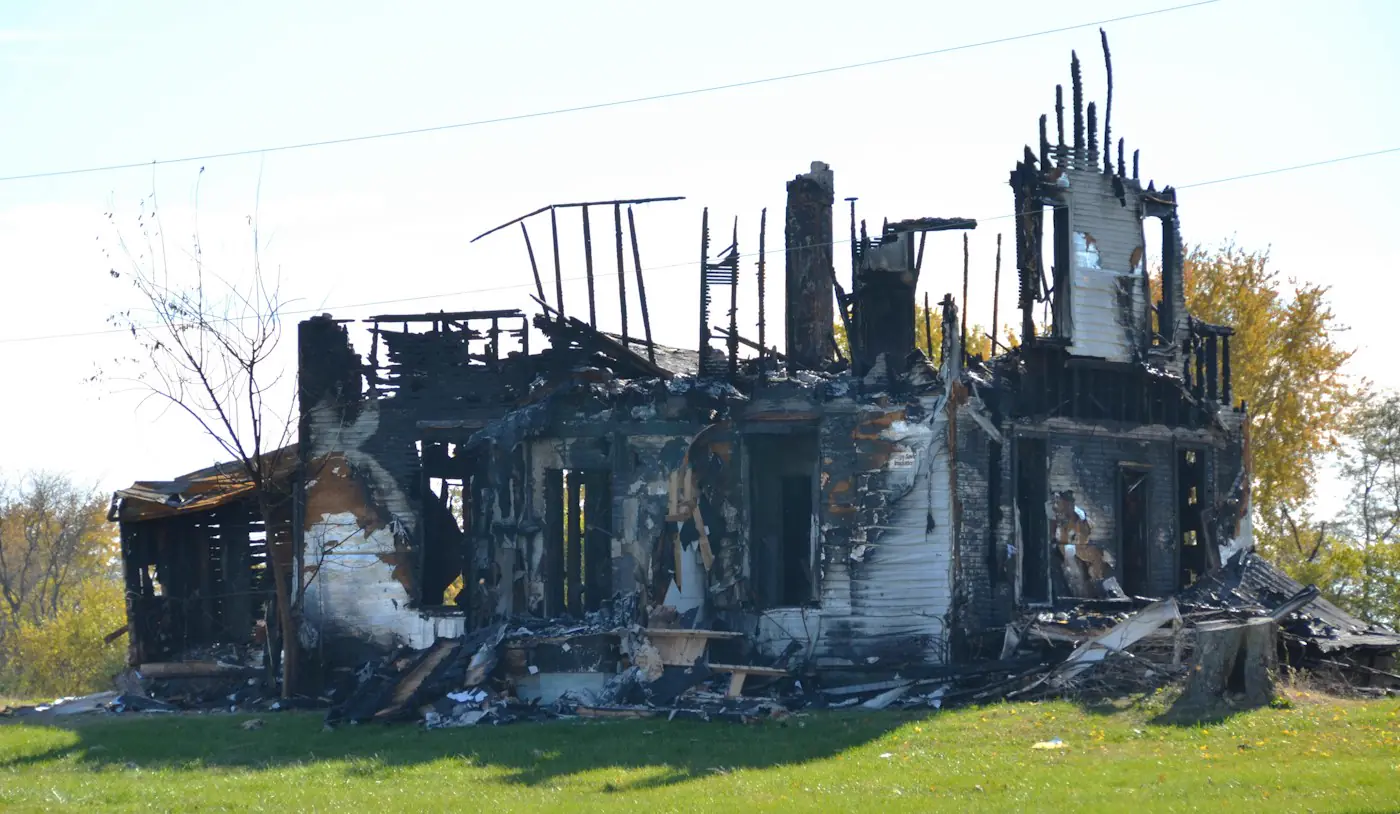
Shashvathi Forensic Lab provides forensic examination and investigative support for matters involving fires, suspected arson, and fire-related property damage. Our services focus on the scientific assessment of available physical evidence, fire debris, damaged materials, and relevant case documentation to assist in understanding the circumstances surrounding a fire incident.
Fire incidents may arise from a variety of circumstances, including electrical faults, equipment failures, accidental ignition, combustible materials, or deliberate ignition. A systematic forensic examination can help identify relevant evidence, assess potential ignition-related indicators, and support further investigation.
The scope of each assignment depends on the nature of the incident, the condition of the scene, the availability of suitable samples, and the examination methods required.
What Is Fire and Arson Investigation?
Fire investigation is the systematic examination of a fire incident to assess its possible origin, cause, and development using scene observations, physical evidence, witness information, technical records, and other relevant material.
Arson investigation involves examining whether available evidence supports a suspicion that a fire was deliberately set. The presence of fire damage or an ignitable-liquid residue alone does not necessarily establish arson. Findings must be evaluated alongside scene conditions, possible accidental causes, and other relevant evidence.
Forensic laboratory testing can contribute to an investigation by analysing submitted samples and identifying relevant chemical or material characteristics. Laboratory results should be interpreted in conjunction with scene examination and other investigative information.
Scope of Fire and Arson Investigation Services
Shashvathi Forensic Lab may provide the following services, subject to the assignment requirements and available technical capabilities:
- Fire Debris Examination: Examination of suitable debris samples collected from a fire scene.
- Ignitable-Liquid Residue Analysis: Laboratory analysis of appropriate samples for residues associated with ignitable liquids, where the required methods and facilities are available.
- Chemical Analysis of Fire-Related Samples: Examination of submitted materials using suitable analytical techniques, subject to sample suitability and laboratory capability.
- Burnt Material Examination: Assessment of submitted burnt materials, ashes, wires, and other fire-related evidence within the agreed analytical scope.
- Electrical and Material Evidence Assessment: Examination of relevant submitted components or materials where appropriate methods and expertise are available.
- Document and Photograph Review: Review of available scene photographs, incident records, fire reports, and other relevant documentation.
- Evidence Correlation: Consideration of laboratory findings alongside other available case information, within the agreed scope of the assignment.
- Forensic Reporting: Documentation of the samples received, methods used, analytical results, observations, and limitations.
The specific tests and opinions available depend on the nature of the evidence, sample condition, instrumentation, and the expertise required for the assignment.
Fire and Arson Investigation Methodology
The investigation or examination process may include the following stages:
- Initial Case Assessment: Understanding the incident, the questions requiring investigation, and the available supporting information.
- Evidence Identification: Identifying potentially relevant samples, scene records, photographs, and other materials.
- Sample Collection and Preservation: Ensuring that samples are collected, packaged, labelled, and stored using appropriate procedures to minimise contamination and loss.
- Laboratory Examination: Conducting suitable tests on submitted samples, depending on their condition and the agreed scope.
- Analytical Assessment: Reviewing the results, identifying relevant chemical or physical characteristics, and documenting limitations.
- Correlation with Case Information: Considering analytical findings alongside scene observations, fire-service records, electrical information, and other available evidence, where provided.
- Report Preparation: Preparing a report documenting the procedures performed, results obtained, observations, and limitations.
Not every assignment requires every stage. The methodology is selected according to the case circumstances and the type of examination requested.
Evidence and Documents Required
Depending on the case, the following materials may be requested:
- Suitable fire debris, ash, burnt materials, or other relevant samples.
- Samples collected from appropriate comparison or control locations, where necessary.
- Scene photographs and videos.
- Fire department or fire-service incident reports.
- Police complaint or First Information Report (FIR), where applicable.
- Details of the incident location, date, time, and circumstances.
- Relevant electrical inspection, maintenance, or equipment records.
- Information about the materials or substances present at the scene.
- A clear description of the specific questions to be addressed.
Sample Collection and Preservation
Fire debris samples intended for ignitable-liquid residue analysis should be collected and packaged using suitable methods to minimise contamination, evaporation, and loss of volatile compounds. Appropriate clean, sealed, and compatible containers should be used according to the laboratory's instructions.
Samples should be individually labelled and documented, with details of their collection location, date, collector, and handling history. Avoid mixing samples from different locations. Where possible, consult the examining laboratory before collecting or transporting samples.
Who May Require Fire and Arson Investigation Services?
Our services may be relevant to:
- Property owners and businesses affected by fire incidents.
- Insurance-related investigations.
- Advocates and legal professionals handling fire-related disputes.
- Organisations investigating suspected deliberate fires.
- Industrial and commercial facilities experiencing fire incidents.
- Investigators requiring laboratory analysis of fire debris.
- Clients seeking forensic assessment of physical evidence associated with a fire.
Importance of Forensic Fire Examination
A fire scene may contain complex evidence affected by heat, combustion, firefighting activities, weather, and post-incident handling. A scientific examination can help identify relevant materials and assess whether the analytical results are consistent with particular possibilities.
However, a laboratory test alone may not establish the precise point of origin, the ignition source, the sequence of events, or whether a fire was deliberately set. These conclusions require careful evaluation of all relevant evidence, including scene conditions, possible accidental causes, witness information, and technical findings.