

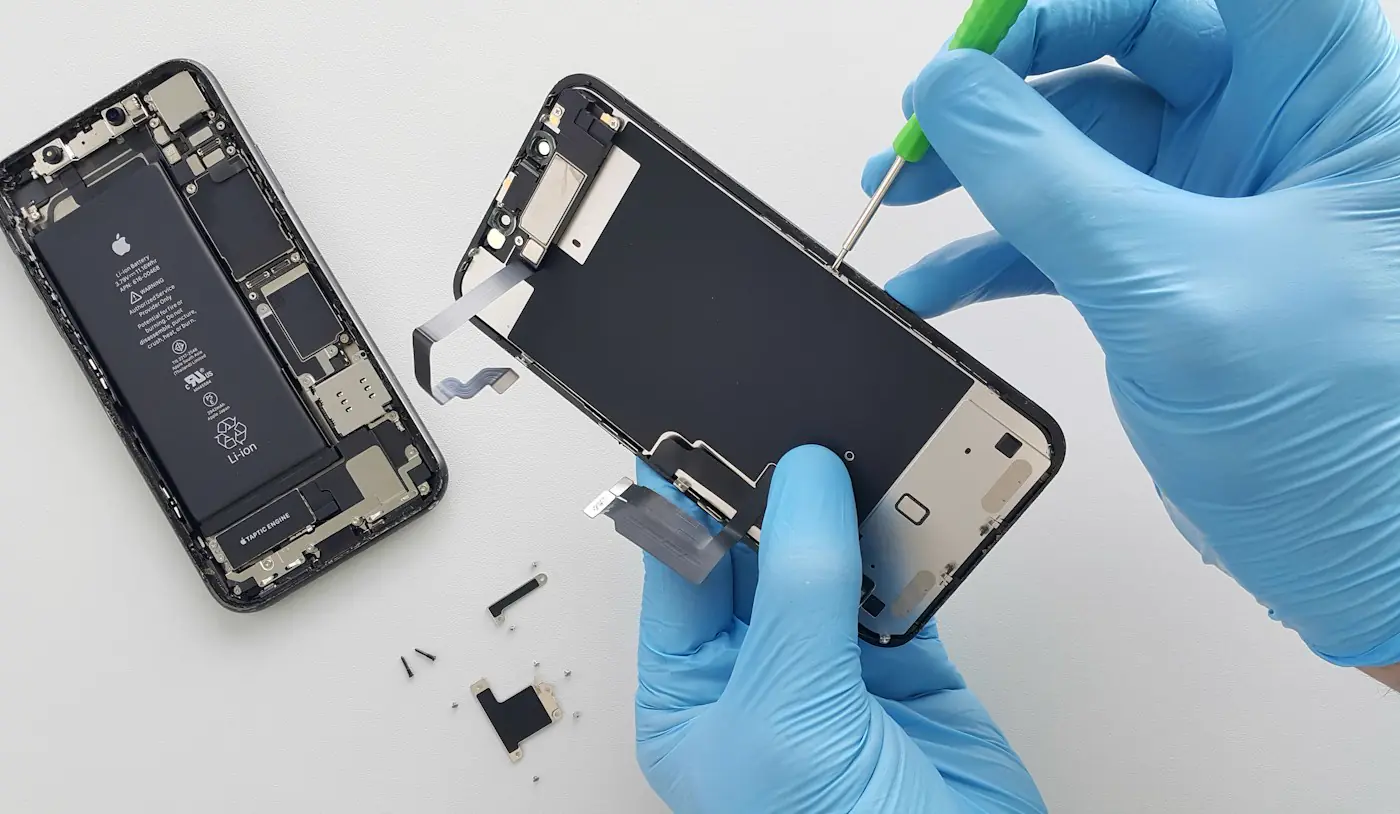
Shashvathi Forensic Lab provides Mobile Forensics services involving the examination of mobile devices and available digital data to identify, preserve, analyse, and document information relevant to an investigation.
Mobile phones are frequently used for calls, messaging, emails, internet browsing, photographs, videos, location-related services, and business communications. In certain cases, information stored on a mobile device may be relevant to suspected fraud, disputed communications, cyber incidents, unauthorised data sharing, harassment, or other legal and corporate investigations.
Our mobile forensic examination services focus on the technical assessment of available digital evidence from supported smartphones and other mobile devices, subject to the device condition, operating system, security restrictions, available data, and agreed scope of work.
What Is Mobile Forensics?
Mobile Forensics is a specialised branch of Digital Forensics concerned with the identification, preservation, acquisition, examination, and interpretation of digital evidence from mobile devices.
Depending on the device and technical feasibility, an examination may involve reviewing available call records, messages, contacts, photographs, videos, documents, application data, browser artefacts, and other relevant information.
The scope of recoverable data varies according to the device model, operating system, encryption, application security, data-retention settings, and the methods available for acquisition. Not all data can be accessed or recovered from every device.
Scope of Mobile Forensics Services
Shashvathi Forensic Lab may undertake the following examination activities, depending on the available capabilities and case requirements:
- Mobile Device Examination: Technical examination of supported Android and iOS devices.
- Call Log and Contact Analysis: Examination of available call-history records and contact information.
- SMS and Messaging Examination: Review of available text messages and supported messaging application data, where accessible.
- Photograph and Video Examination: Analysis of relevant media files, file properties, timestamps, and available metadata.
- Document and File Examination: Review of supported documents, downloaded files, and other relevant data stored on the device.
- Application Data Examination: Examination of available artefacts from relevant applications, subject to access restrictions and technical feasibility.
- Internet and Browser Activity: Review of available browser history, downloads, and related artefacts.
- Location-Related Artefacts: Assessment of available location-related records, where present and relevant to the examination.
- Deleted Data Assessment: Evaluation of whether deleted information may remain recoverable using appropriate methods.
- Digital Evidence Integrity Verification: Use of cryptographic hash values for acquired files or forensic images, where applicable.
- Forensic Reporting: Documentation of the examination procedures, findings, and technical limitations.
The exact scope depends on the device, the data available, the examination tools and methods used, and the client's authorised objectives.
Mobile Forensics Examination Methodology
The examination process may include the following stages:
- Initial Consultation: Understanding the purpose of the examination and identifying the specific questions to be addressed.
- Device Identification and Documentation: Recording available information about the device, its condition, make, model, and operating system.
- Evidence Preservation: Taking appropriate precautions to minimise changes to the original device and its stored data.
- Data Acquisition: Acquiring available data using suitable forensic procedures, subject to device compatibility, security restrictions, and authorisation.
- Integrity Verification: Applying cryptographic hash verification to acquired data or forensic images where technically applicable.
- Forensic Analysis: Examining relevant communications, media files, application artefacts, documents, and other available digital information.
- Findings Assessment: Evaluating the identified artefacts in the context of the examination objectives and known limitations.
- Report Preparation: Preparing a technical report documenting the methodology, observations, findings, and limitations.
The procedures adopted may vary depending on whether the device is operational, locked, encrypted, damaged, or subject to specific application or operating-system restrictions.
Who May Require Mobile Forensics?
Our services may be relevant to:
- Individuals involved in disputes concerning mobile communications.
- Businesses investigating suspected data leakage or misuse of company information.
- Advocates and legal professionals requiring digital evidence examination.
- Corporate investigation and security teams.
- Investigators handling suspected fraud, harassment, or unauthorised communications.
- Organisations assessing suspected compromise of mobile devices.
- Clients requiring technical examination of available mobile data.
Importance of Mobile Forensics
Mobile devices may contain digital information that helps investigators understand communications, user activity, and events relevant to a particular matter. A structured forensic examination can help identify and document relevant artefacts while considering the integrity and limitations of the available evidence.
However, the presence of a message, file, contact, or application artefact does not automatically establish who created it, who accessed it, or whether the associated activity occurred exactly as represented. Findings must be evaluated in context and, where appropriate, alongside other evidence.